Springer
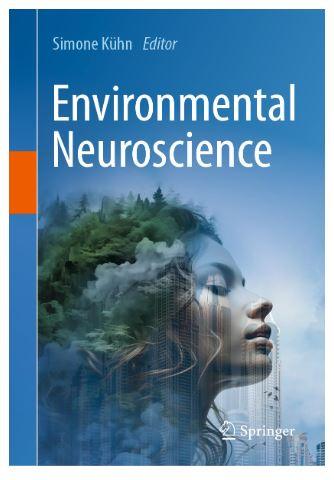
Environmental Neuroscience (E-BOOK)
Environmental Neuroscience (E-BOOK)
Quote response within 24h · Institutional invoicing available
Couldn't load pickup availability
Editor: Simone Kühn
Available in print format. Click here
ISBN: 9783031646997
Year: 2024
Language: English
Format: E-Book
Pages: 586
Publisher: Springer Cham
Description:
This important new book presents an introduction to Environmental Neuroscience, an emerging field devoted to the study of brain-mediated bidirectional relationships between organisms and their physical environments. It offers a novel perspective in the human neurosciences, which have typically focused on the individual isolated from its natural habitat. The book presents the theoretical background of the field, discusses how the environment impacts humans and how humans impact the environment, explores the neuroscience of the built environment, and addresses special populations and methodological approaches.
Key Features:
- Explores the fundamentals of environmental neuroscience.
- Discusses how the environment impacts human brain function and behavior.
- Examines the role of architecture and the built environment in neural processes.
- Considers special populations and methodological approaches in the field.
Keywords: Environmental neuroscience, brain-environment interaction, neuroplasticity, environmental psychology, built environment, neuroarchitecture, biophilic design, cognitive health, urban neuroscience, neurorehabilitation
Target Audience: Researchers, neuroscientists, psychologists, architects, urban planners, environmental scientists, students, academics, healthcare professionals, policymakers
Genre: Non-fiction, academic, neuroscience, environmental science, psychology, architecture
Where can I buy Environmental Neuroscience?
You can order this eBook directly from CLNZ Books at clnzbooks.com, with secure payment by credit card or PayPal.
Q&A
Q: What does this book present?
A: An introduction to environmental neuroscience, the study of brain-mediated relationships between organisms and their physical environments, including the built environment and architecture.
Q: Who is this book for?
A: Neuroscientists, psychologists, architects, urban planners, and environmental scientists.
How to Order
Learn more about how to order from CLNZ Books, including payment options.